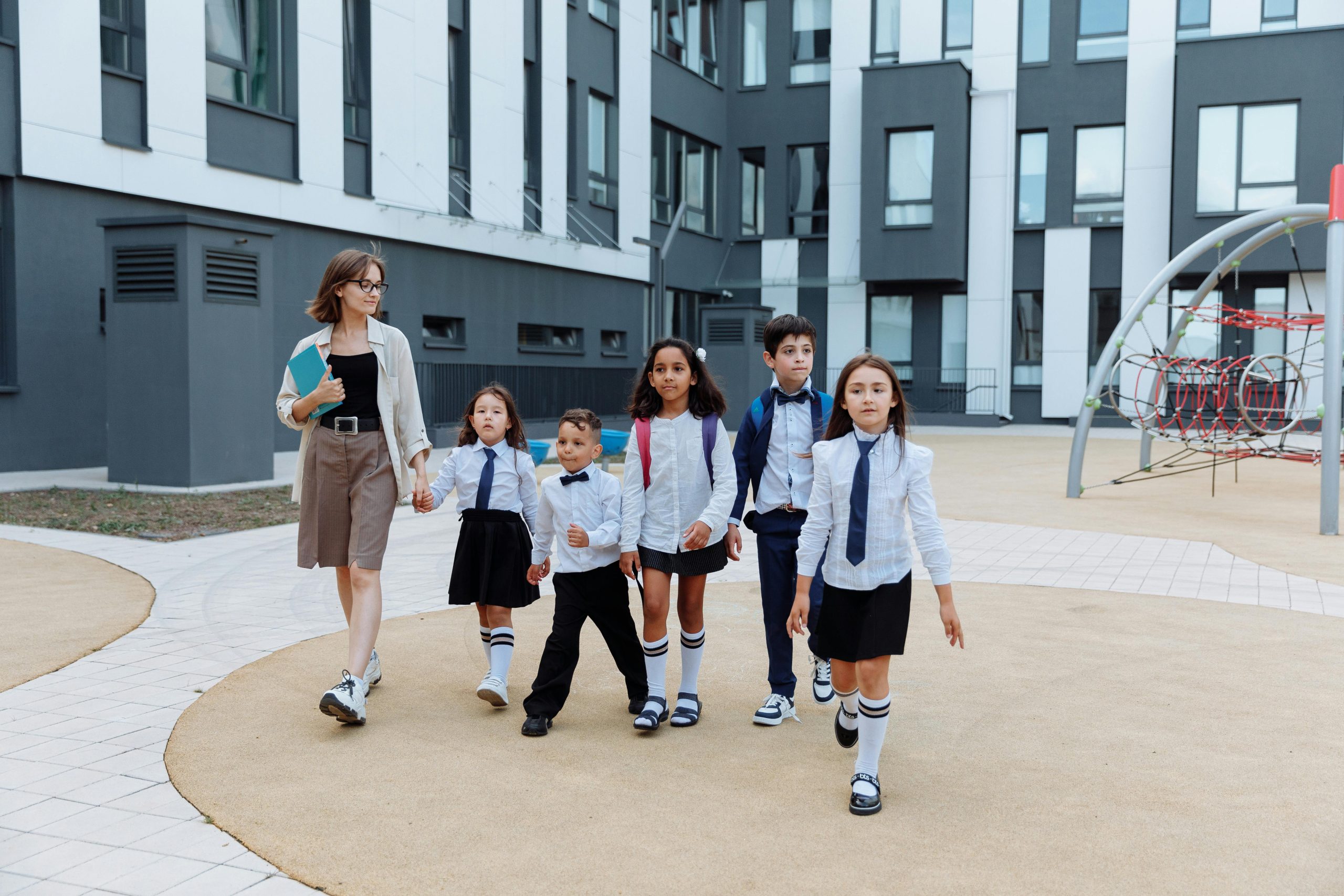

In today’s education landscape, schools are navigating more than just curriculum delivery. Rising levels of absence, increasing SEND demand, and growing behavioural complexity mean that building a thriving school community has never felt more challenging, or more important. 

At the heart of this challenge is a simple truth: strong schools are built on strong relationships. And behind those relationships are the people who nurture them every day. 

From pastoral teams to SEND specialists, behaviour mentors to classroom support staff, these roles are no longer “additional”, they are essential to creating environments where pupils feel safe, supported and ready to learn. 

The link between support and school attendance


School attendance continues to be one of the most pressing priorities across the UK. 

Persistent absence rates remain significantly higher than pre-pandemic levels, with nearly one in five pupils still persistently absent in recent data.  

But attendance is not just a metric, it’s an outcome. It reflects how pupils feel about school. 

Research consistently shows that pupils are more likely to attend when they feel: 

  • Understood 
  • Supported 
  • Connected to trusted adults 


In fact, studies highlight that a supportive, relationship-based approach, rather than relying solely on disciplinary measures, plays a critical role in encouraging attendance.  

This is where pastoral and support staff make a tangible difference. They provide the consistent presence, emotional support and personalised interventions that help pupils overcome barriers to attending school in the first place.

SEND demand is rising, and so is the need for specialist support


Alongside attendance challenges, schools are also responding to rapidly increasing SEND needs. 

Recent figures show that: 

  • Over 1.7 million pupils in England are identified as having SEND, representing close to 20% of the school population 
  • Education, Health and Care Plans (EHCPs) have increased by over 11% in a single year  


This growing demand is reshaping what support looks like in schools. 

Pupils with SEND are statistically more likely to experience barriers to attendance, lower engagement and a reduced sense of belonging if their needs are not effectively supported.  

The presence of skilled SEND professionals and support staff is therefore not just about compliance, it is about equity, inclusion and unlocking potential. 

Behaviour, belonging and the role of consistent adults


Behaviour is often a signal, not a standalone issue. 

National research highlights that pupil behaviour is closely linked to wider factors including wellbeing, relationships and access to appropriate support.  

Where schools are best able to respond to this complexity, one factor stands out: consistency of trusted adults. 

Support staff play a vital role in: 

  • Building relationships beyond the classroom 
  • Providing early intervention and de-escalation 
  • Supporting emotional regulation and wellbeing 
  • Creating continuity for pupils who need stability 


Evidence also suggests that approaches focused on connection, communication and understanding behaviour are more effective than purely disciplinary models.  

This reinforces the importance of having the right people, not just more people.


The impact on engagement and learning


When pupils feel safe, supported and included, engagement naturally follows. 

Strong support structures contribute to: 

  • Improved classroom focus and participation 
  • Greater motivation to learn 
  • More positive relationships across the school community 
  • Better long-term outcomes 


Attendance, attainment and wellbeing are not separate priorities, they are deeply interconnected. 

And it is often the unseen work of support staff that enables this connection to happen. 

Staffing with purpose: a more connected approach


In a system under pressure, recruitment can easily become reactive, focused on filling gaps quickly. 

But when it comes to pastoral, SEND and behavioural roles, the quality of the match matters just as much as the speed of the placement. 

Schools are increasingly looking for professionals who: 

  • Align with their values and culture 
  • Build trust with pupils and staff 
  • Commit to consistency and continuity 
  • Bring both expertise and empathy 


This is where a more people-first approach to recruitment makes a difference. 

At Monarch Education, we believe that effective staffing is about strengthening the whole school community. By taking the time to understand each school’s context, challenges and culture, we help connect them with professionals who can make a genuine, lasting impact. 

Building communities that thrive


There is no single solution to the challenges schools face today. 

But one thing is clear: the right people, in the right roles, can transform the experience of school for pupils and staff alike. 

When pastoral teams are strong, pupils feel supported.
When SEND provision is well-resourced, pupils feel included.
When behaviour support is consistent, pupils feel understood. 

And when those conditions are in place, schools become more than places of learning, they become communities where every child has the opportunity to thrive. 

To find out how Monarch Education can help support your school community, get in touch with your local branch today.  


Sources 

  • NFER – Attendance research and role of pastoral support [nfer.ac.uk] 
  • DfE – National Behaviour Survey 2024–2025 [gov.uk]