Creating positive, inclusive school environments has never been more important. Alongside academic achievement, schools are increasingly focused on supporting pupil wellbeing, building resilience, and helping young people develop the confidence and life skills they need to thrive. At the heart of this is the influence of positive role models. 

While every member of staff contributes to a pupil’s development, diverse school workforces can help ensure children and young people are exposed to a broad range of experiences, perspectives, and mentoring styles. This includes encouraging more men to consider careers in education and recognising the valuable contribution they can make within schools and wider learning communities. 

The Importance of Positive Role Models


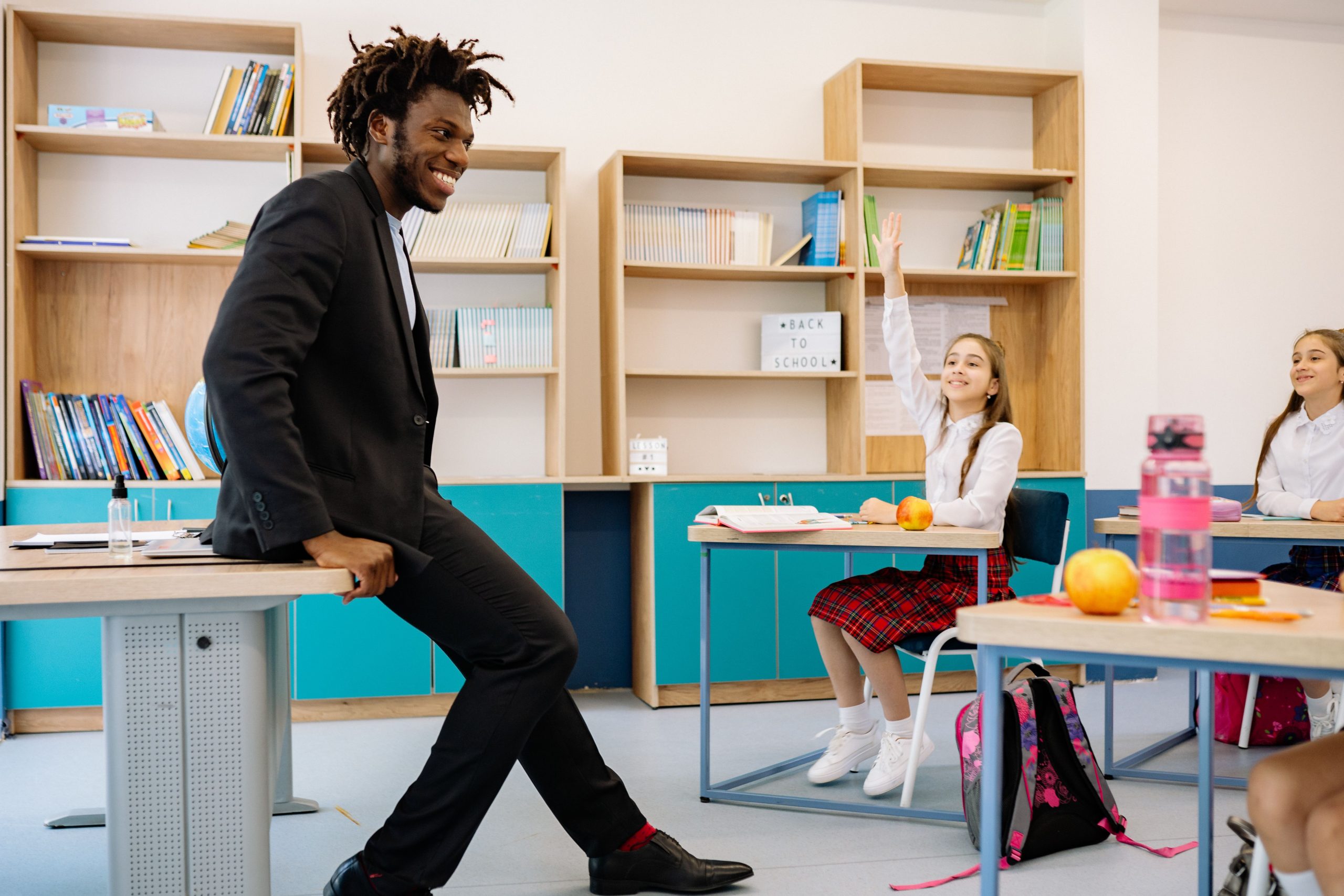
Children and young people learn not only from what adults teach them, but from the behaviours, attitudes, and values they demonstrate every day. 

Positive role models can help pupils develop self-belief, emotional resilience, respect for others and healthy ways of managing challenges. For boys in particular, seeing examples of positive masculinity in action can support the development of strong relationships, empathy, and emotional wellbeing. Educational and wellbeing professionals continue to highlight the value of trusted adults who provide guidance, consistency, and encouragement throughout a young person’s school journey.  

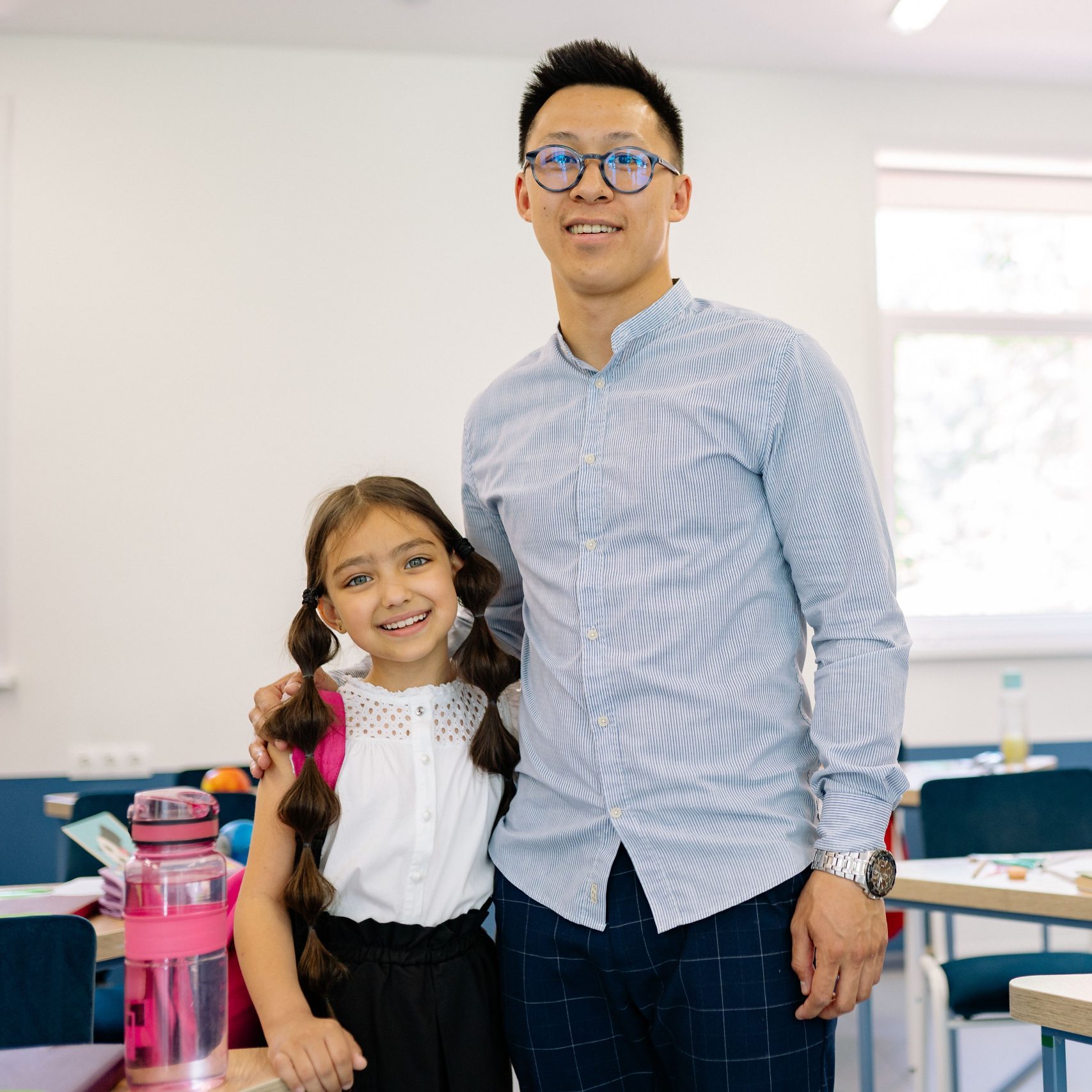
Importantly, positive role models come in many forms. They may be teachers, teaching assistants, SEND professionals, pastoral staff, behaviour mentors, coaches, or support workers. What matters most is their ability to build meaningful relationships and create an environment where pupils feel supported and understood.


Creating Inclusive Well-being in Schools


Wellbeing is not delivered through a single programme or initiative. It is built into the culture of a school through positive relationships, strong pastoral support, and a commitment to inclusion. 

Schools today support young people through a range of challenges, from social pressures and mental health concerns to navigating the influence of social media and online content. Having a diverse team of professionals enables schools to connect with pupils in different ways and provide support that reflects the varied needs of their communities.  

By fostering inclusive environments where every pupil feels valued, schools can help improve engagement, attendance, behaviour, and overall wellbeing. 

Why More Men Are Choosing Careers in Education


Many people assume that teaching is the only route into education, but schools offer a wide range of rewarding support roles. 

Increasingly, men from backgrounds such as sports coaching, youth work, health and social care, customer service, community services, and the armed forces are discovering fulfilling careers in education. Their transferable skills often make them well suited to supporting pupils both academically and emotionally. 

Some of the most common pathways include: 

Teaching Assistant Roles 

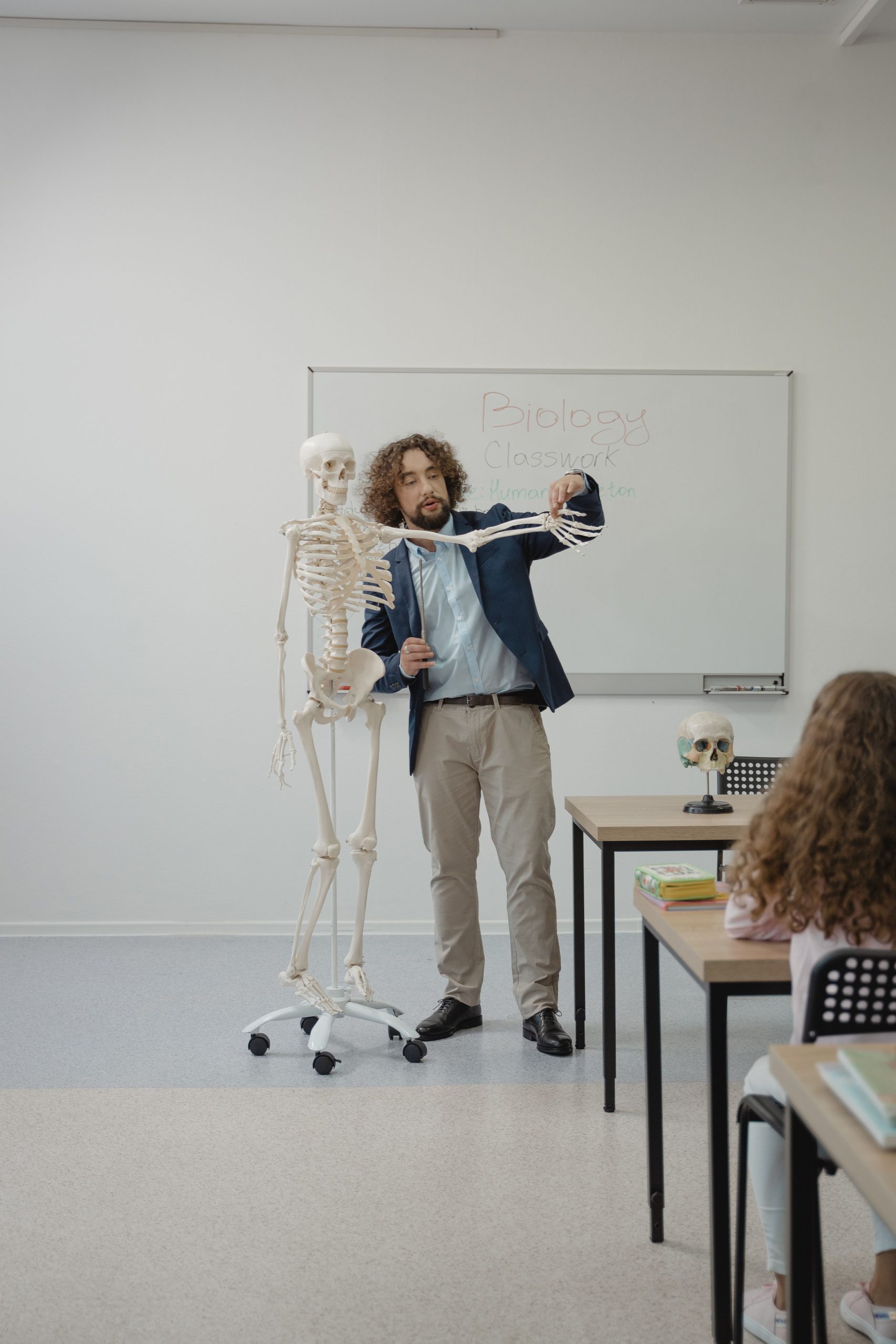
Teaching Assistants support pupils in the classroom, helping to deliver learning activities, build confidence and promote positive learning experiences. These roles can provide an excellent introduction to education and often require qualities such as patience, communication, and teamwork. 

SEND Support Roles 

Working within SEND settings allows support staff to help children and young people overcome barriers to learning while celebrating individual achievements. Candidates with experience in care, support work or healthcare often thrive within these positions. 

Behaviour Mentor Positions 

Behaviour Mentors work closely with pupils who may require additional support with engagement, emotional regulation, or behavioural challenges. Building trust, providing encouragement, and acting as a consistent role model are central to the role. 

Pastoral Support Careers 

Pastoral professionals help support attendance, wellbeing, safeguarding, and student development. They play a vital role in ensuring pupils have access to guidance and support throughout their education. 

These pathways provide opportunities for individuals to make a meaningful difference while developing rewarding long-term careers within education. 

A Shared Responsibility


Supporting boys and young men is not about focusing on one group at the expense of another. It is about ensuring every pupil has access to positive influences, strong support networks, and opportunities to thrive. 

By continuing to build diverse staffing teams and inclusive school cultures, schools can create environments where all children feel represented, supported and inspired to succeed. At the same time, candidates from a variety of backgrounds can discover careers that offer purpose, progression, and the chance to have a lasting impact on future generations. 

At Monarch Education, we work closely with schools and candidates to connect talented individuals with opportunities that strengthen school communities, support pupil wellbeing, and help every learner reach their potential. 

Whether you’re a school looking to strengthen your support team or a candidate considering a rewarding career in education, investing in positive role models can make a lasting difference to pupil wellbeing, engagement, and achievement. Get in touch today.